
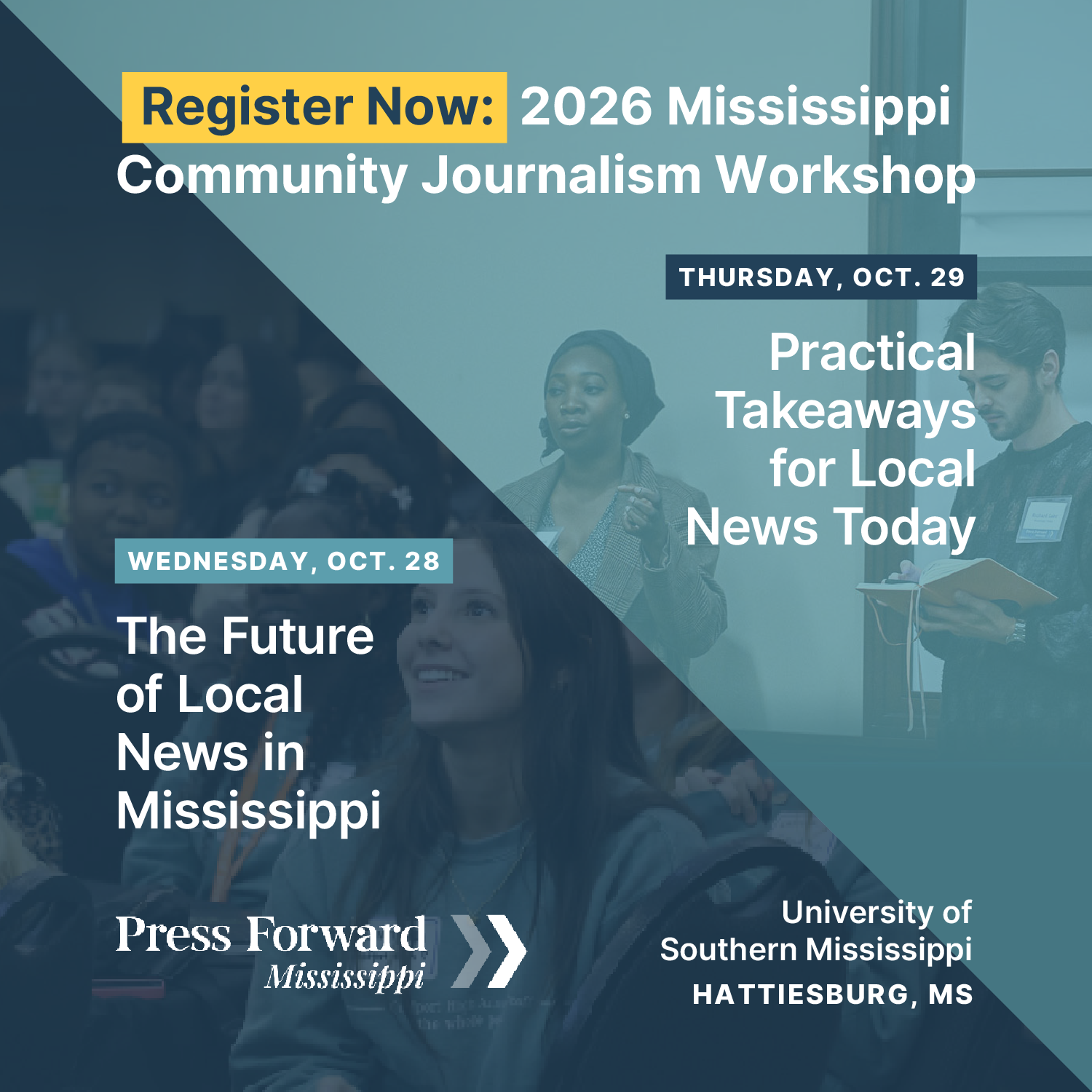
Oct. 28-29, 2026 | Hattiesburg, ms
2026 Mississippi Community Journalism Workshop
Join us for a two-day event that bridges today and tomorrow. Our annual statewide convening is set for Oct. 28-29 at the University of Southern Mississippi in Hattiesburg.
Strong communities need quality local news.
Be part of shaping what local news looks like today — and help evolve community journalism for tomorrow’s Mississippi.
Hosted in partnership with the Roy Howard Community Journalism Center at Southern Miss, the 2026 Mississippi Community Journalism Workshop includes two different days to learn, connect and share what you know. Join us for one day or both.
Jump to:
Wednesday Agenda & Location
Thursday Agenda & Location
Leaders, Facilitators & Hosts
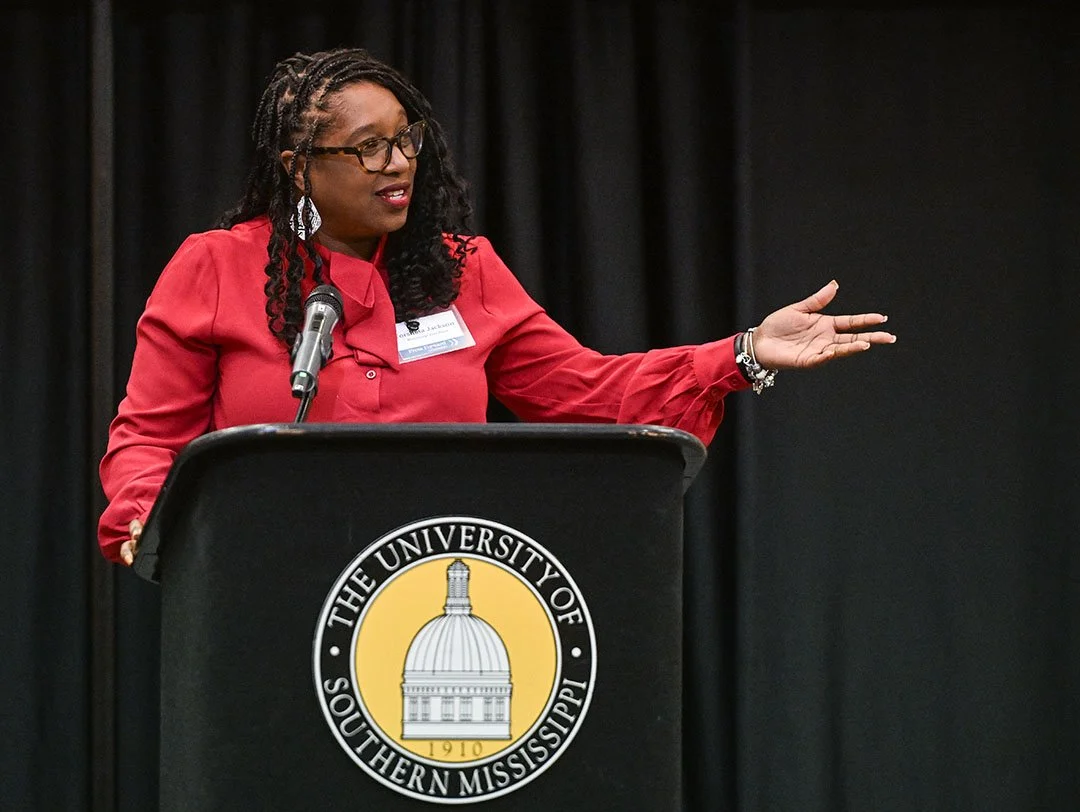
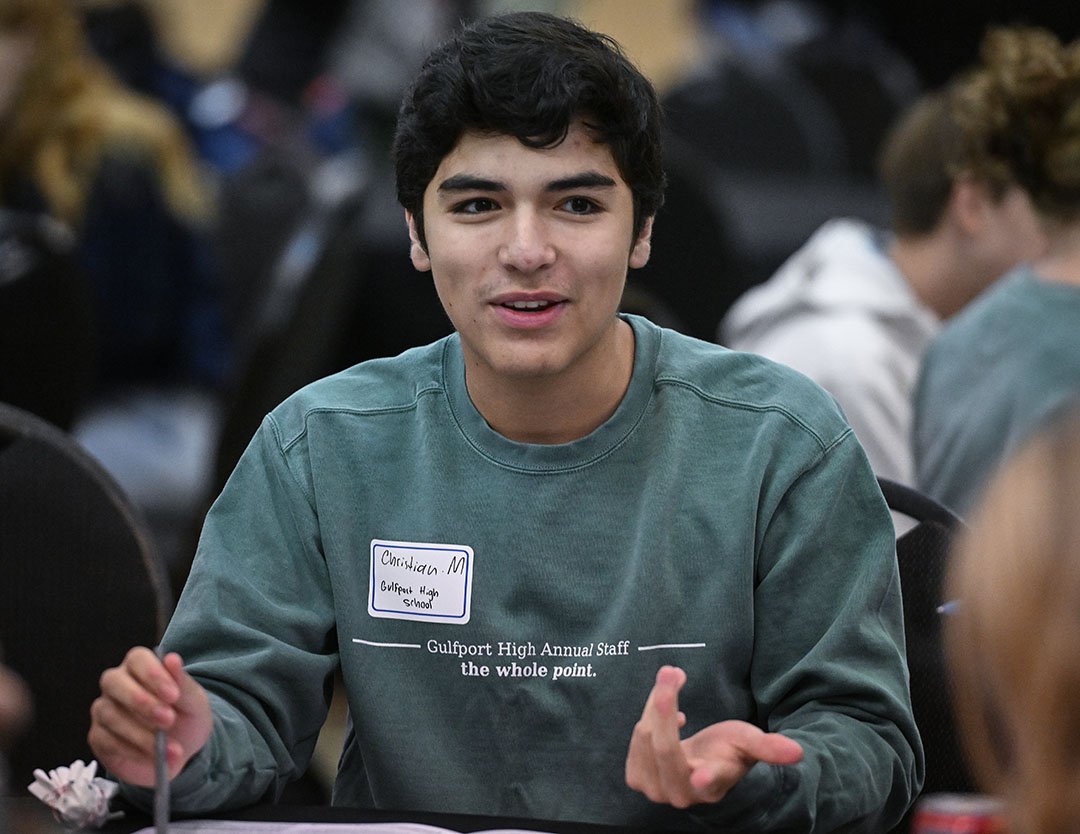
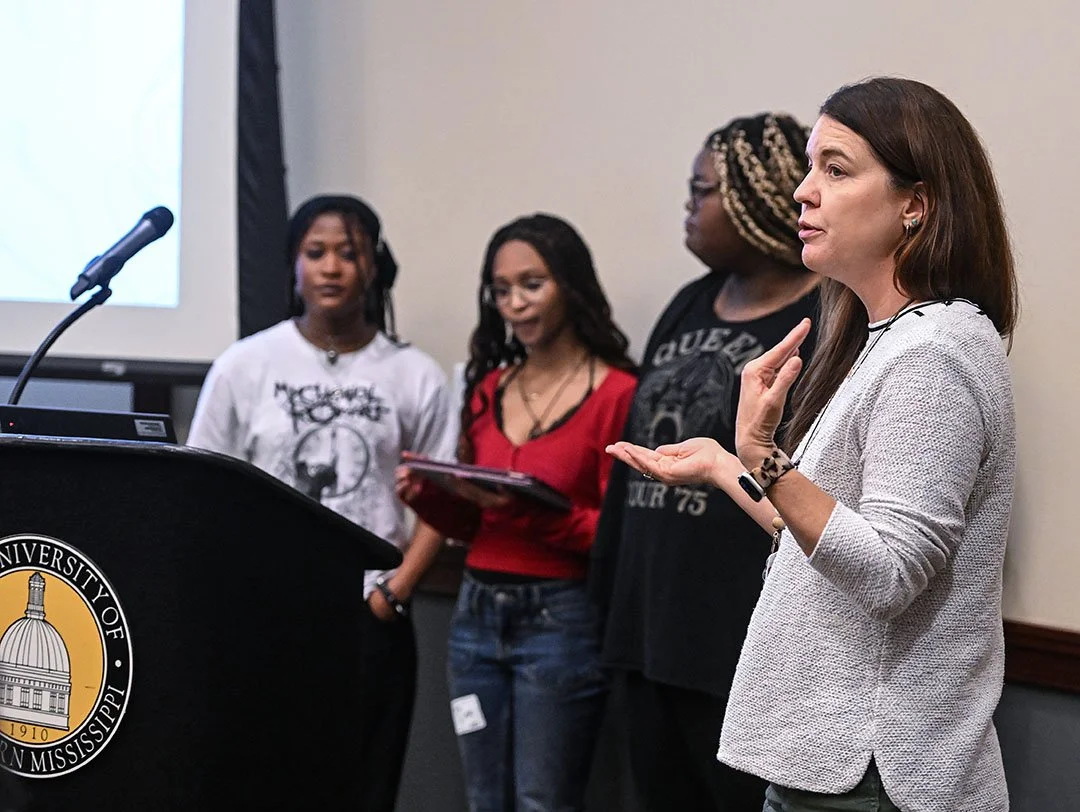
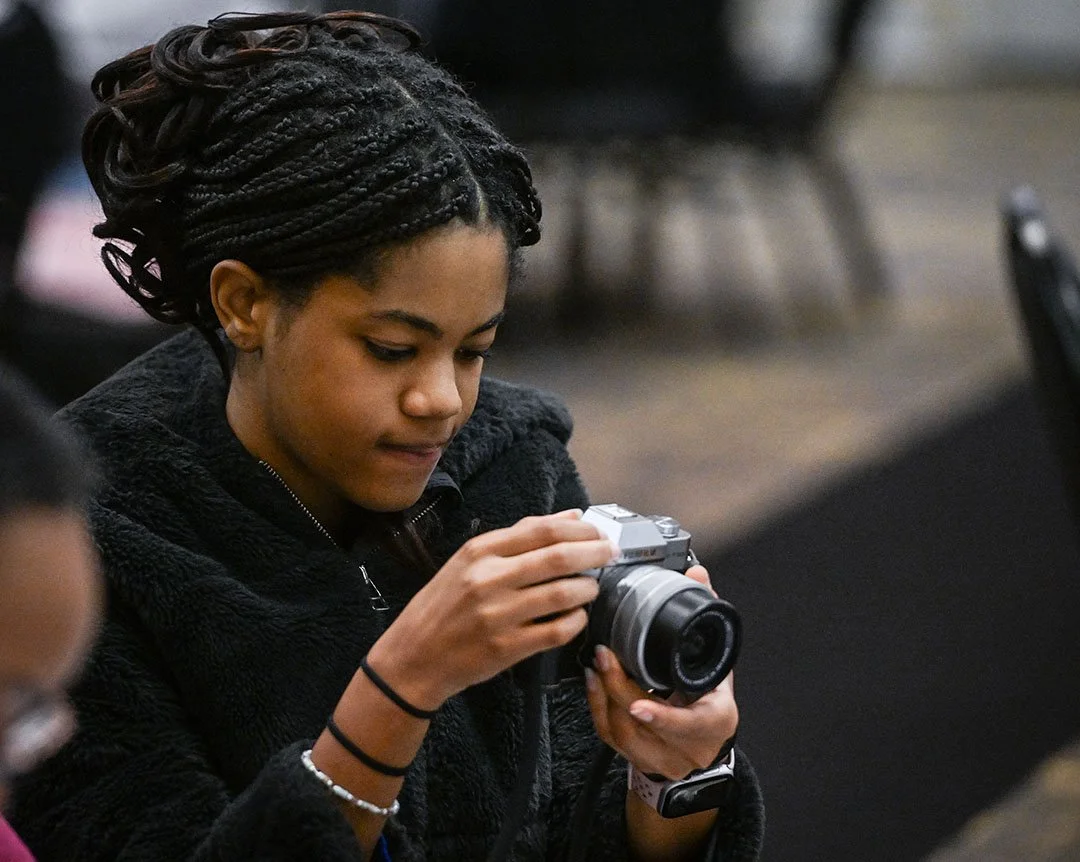
Photos by Veronica Flores and Steve Coleman for MSPA
IN COLLABORATION WITH


Wednesday, Oct. 28
The Future of Local News in Mississippi
Overlapping with the fall convention of the Mississippi Scholastic Press Association, we will spend an afternoon focused on how we want to see Mississippi communities grow stronger in the next 10 years — and the role that quality local news needs to play in helping us get there.
Thursday, Oct. 29
Practical Takeaways for Local News Today
Designed for local news organizations of all sizes and platforms, this full-day workshop combines peer learning from Mississippi media leaders with expert insights from our university partners, the Press Forward national team and the Scripps center network.
Both days are free to those working to support local news for the sake of stronger Mississippi communities. Registration is required.
DAY 1 AGENDA: THE FUTURE OF LOCAL NEWS IN MISSISSIPPI
Wednesday, Oct. 28
Dovetailing with the Mississippi Scholastic Press Association’s fall convention, this afternoon is a chance for community-level stakeholders, media leaders and student journalists to engage with each other around the future of local news in our state.
-
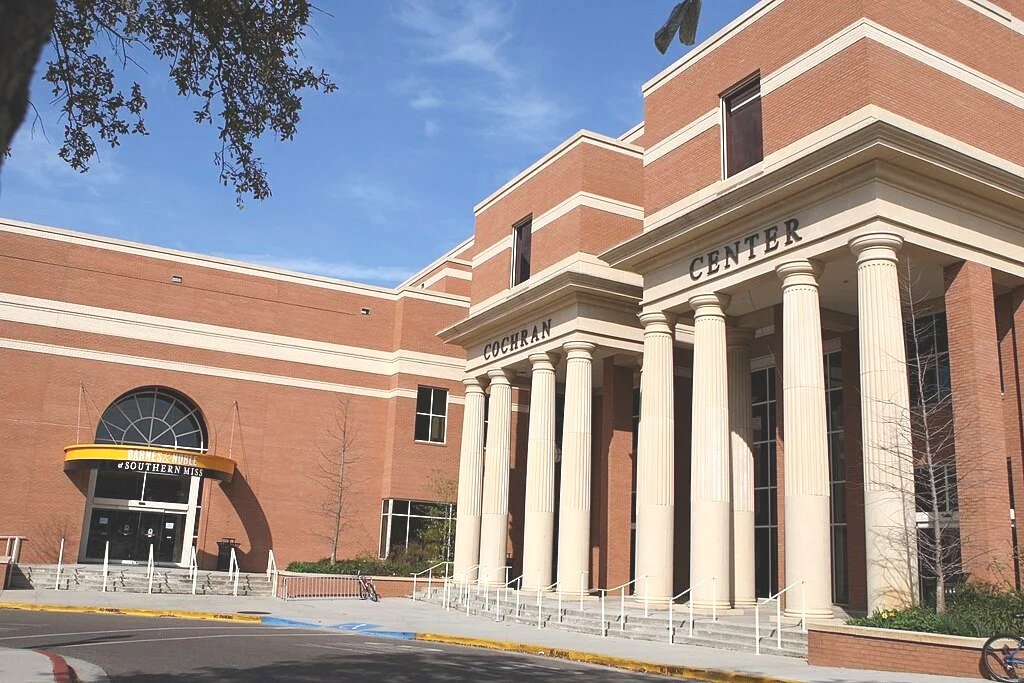
Thad Cochran Center 216
Connect with high-school journalism teachers at a joint lunch with MSPA advisors. -
Thad Cochran Center Ballroom
Peter Imes, Fourth-Generation Publisher, The Commercial Dispatch, Columbus, MSProfessionals are invited to join MSPA students and advisors for their convention’s annual Hamilton Keynote address. Peter Imes worked in web development in Austin, Texas, and real estate development in Memphis, Tenn., before returning to his hometown to help lead the news organization his family has owned since the 1920s. He is currently president of the Mississippi Press Association.
-
-
THAD COCHRAN CENTER 214
Moderated by Jason Beverly, Ph.D., USM Student Media Center Director
In 2025, Press Forward released a new framework for describing how local news and information sources fit together to serve today’s communities.
We’ve invited Hattiesburg Mayor Toby Barker and Press Forward’s National Director of Grantmaking Melissa Milios Davis to exchange perspectives and reflect: In the age of social media, how is the role of professional local journalism evolving today? When local news helps to strengthen communities, what does that look like — and how can communities orient around supporting it?
-
THAD COCHRAN CENTER 214
Facilitated by Torsheta Jackson, Systemic and Solutions Editor for Mississippi Free Press and Report For America Corps memberThis year, Press Forward is inviting chapters to envision what the relationship between local communities and their news sources will look like in 2036. In Mississippi, we’ll orient by asking: “What do we hope will be true in our communities 10 years from now?”
In this session, you’ll start by defining specific hopes for your community. Then you’ll collaborate with others to express the role we will need local news to play, in helping us get from here to there.
Insights from this session will help inform Press Forward Mississippi’s overall strategy, helping our work stay grounded in community outcomes.
-
The Brass Hat, Hotel Indigo
After the program ends, attendees can meet up in the lobby bar of Hotel Indigo to keep the conversation going.
WEDNESDAY LOCATION:
Thad Cochran Center
Located adjacent to the student union in the heart of campus. For parking, enter campus from West 4th Street at Golden Eagle Avenue.
day 2 AGENDA: PRACTICAL TAKEAWAYS FOR LOCAL NEWS TODAY
Thursday, Oct. 29
Designed for Mississippi’s community of professional local news providers across platform types and business models, this day aims to provide insights and takeaways that can be used in local newsrooms today.
-
-
-
Melissa Milios Davis, Director of Grantmaking, Press Forward; and Lucy Schultze, Strategist & Facilitator, Press Forward Mississippi
Hear brief takeaways from our cross-sector conversations on Wednesday, centered around the future of local news in Mississippi.
-
Mississippi newsrooms share the local stories that mattered to their audiences and how they told them in ways that stretched beyond everyday reporting cycles. This “how we did it” topic was suggested through feedback from our 2025 workshop.
-
-
Ed Simpson, Ph.D., Professor, University of Southern Mississippi School of Media & Communication; and Debora Wenger, Ph.D., Professor, University of Mississippi School of Journalism & New Media
Hear the latest trends being signaled in academic research around journalism, and what these new insights may mean for Mississippi’s local news practitioners.
-
Mississippians are working together to develop the next collaborative ideas that can move local news forward — stemming from Press Forward Mississippi’s three areas of interest and aligned with values of the nationwide movement.
Get up-to-speed on what’s in motion, and see which efforts you may want to help inform or take advantage of:
Network Matching Challenge: Interested in learning how to add local philanthropy as a newsroom revenue stream? This pilot program will give you a chance to try it — with training, support and a 2:1 match for new dollars raised locally.
Training Community Storytellers: Wishing you had more local people who could contribute to your outlet’s reporting? Learn about a fledgling initiative to use Mississippi community colleges as a training ground.
New Business Models: What is the new model for sustainable local news in small-town Mississippi? How do legacy newspapers plan for the transitions they need to make? Hear where we are on these critical questions.
Growing the Next Generation: How will you connect with young people who may become tomorrow’s local reporters? Hear from the people shaping your pipeline starting at the high school level.
-
Please note any dietary restrictions when you register.
-
The Roy Howard Center for Community Journalism at Southern Miss and leaders from its sister Scripps centers in Maryland, Arizona and Memphis, Tenn., share tools and workflows they have developed for use in local newsrooms.
In Session 5, leaders will present 15-min. overviews of what their tools do and how newsrooms can use them. Then, during the Demonstration Fair, you can choose which tool or workflow you’d like to see demonstrated.
Community Engagement — Nichole Cyprian, Director, USM Roy Howard Center for Community Journalism
Investigation — Mark Greenblatt, Executive Editor and Professor of Practice, Howard Center for Investigative Journalism, Arizona State University
AI Tools for Reporting — Sean Mussenden, Ph.D., Director & Executive Editor, Howard Center for Investigative Journalism, University of Maryland Philip Merrill College of Journalism
Open-Source Sourcing — Meghnad Bose, Assistant Professor of Practice and Coordinator of MA in Open-Source Investigative Reporting, University of Memphis
-
See demonstrations and ask questions of the presenters from Session 5. This time can also be used for intentional conversations and collaborative planning.
-
THURSDAY LOCATION:
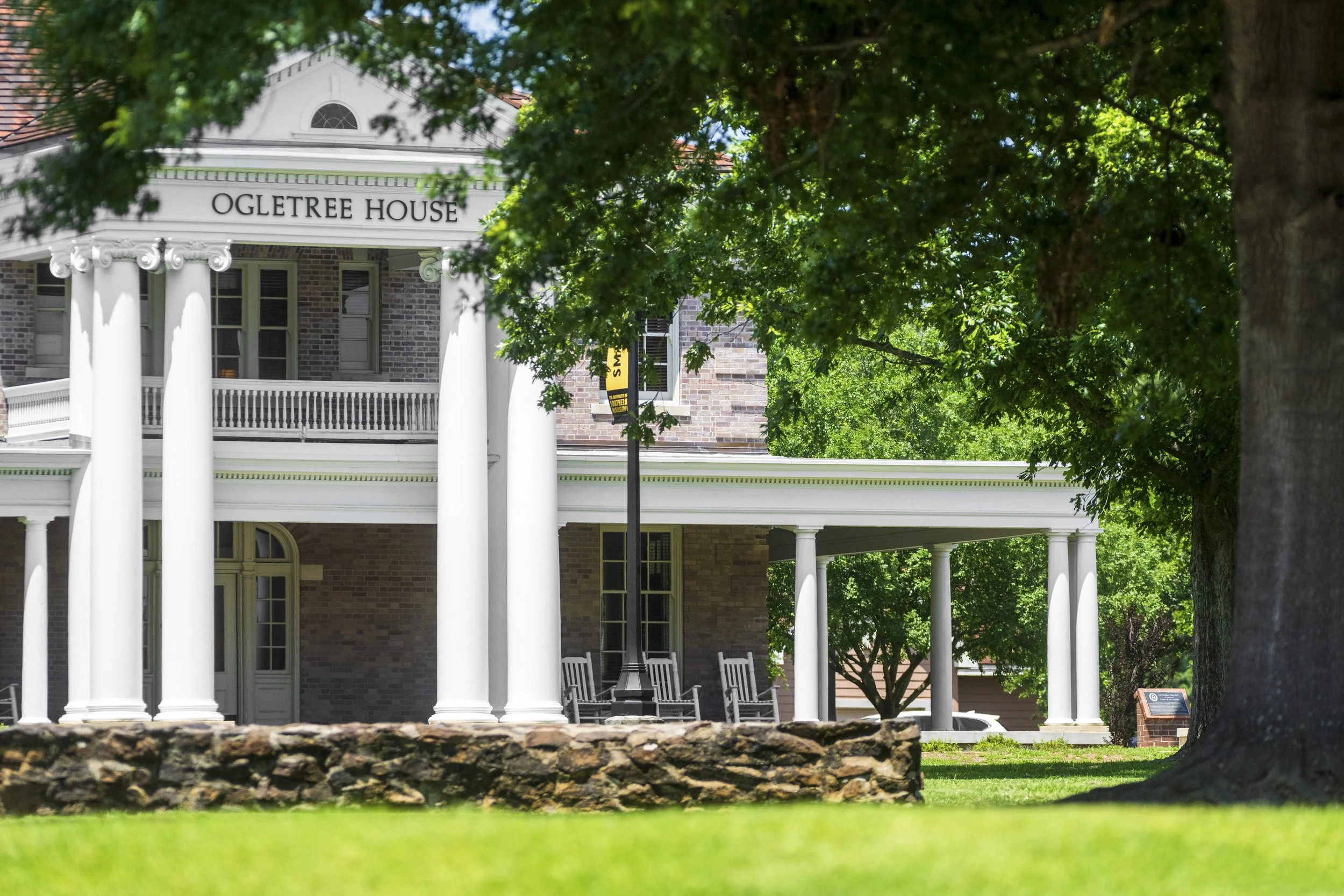
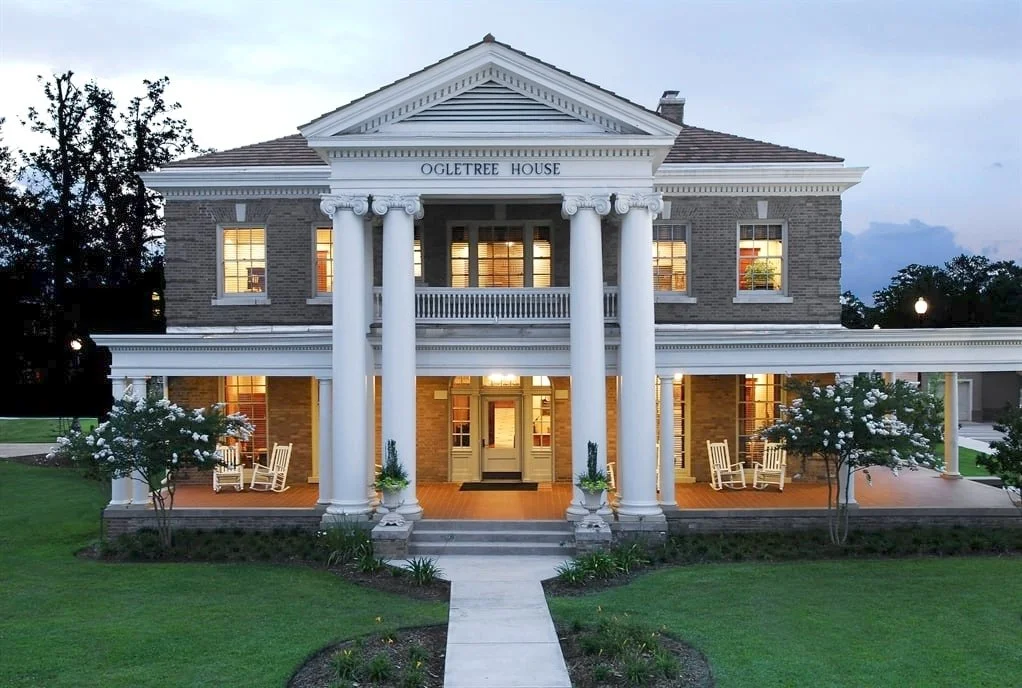
Ogletree Alumni House
At the southeast corner of the campus, visible from the intersection of Hardy Street and Highway 49. Adjacent parking is available.
Leaders, Facilitators & Hosts
-
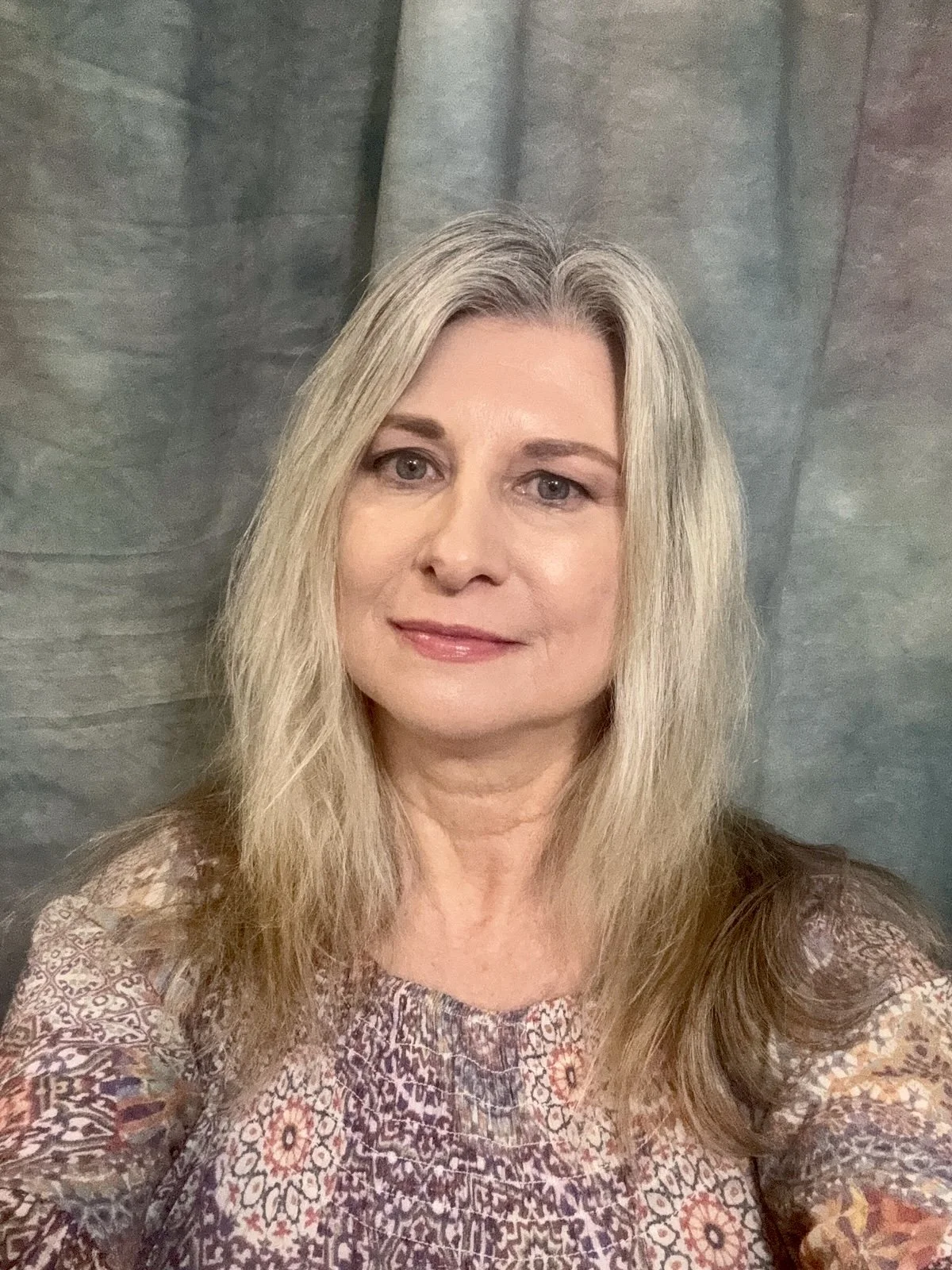
Kelly Atwood
Coordinator, Mississippi High School Journalism Project, and Journalism Instructor, Jones College
-
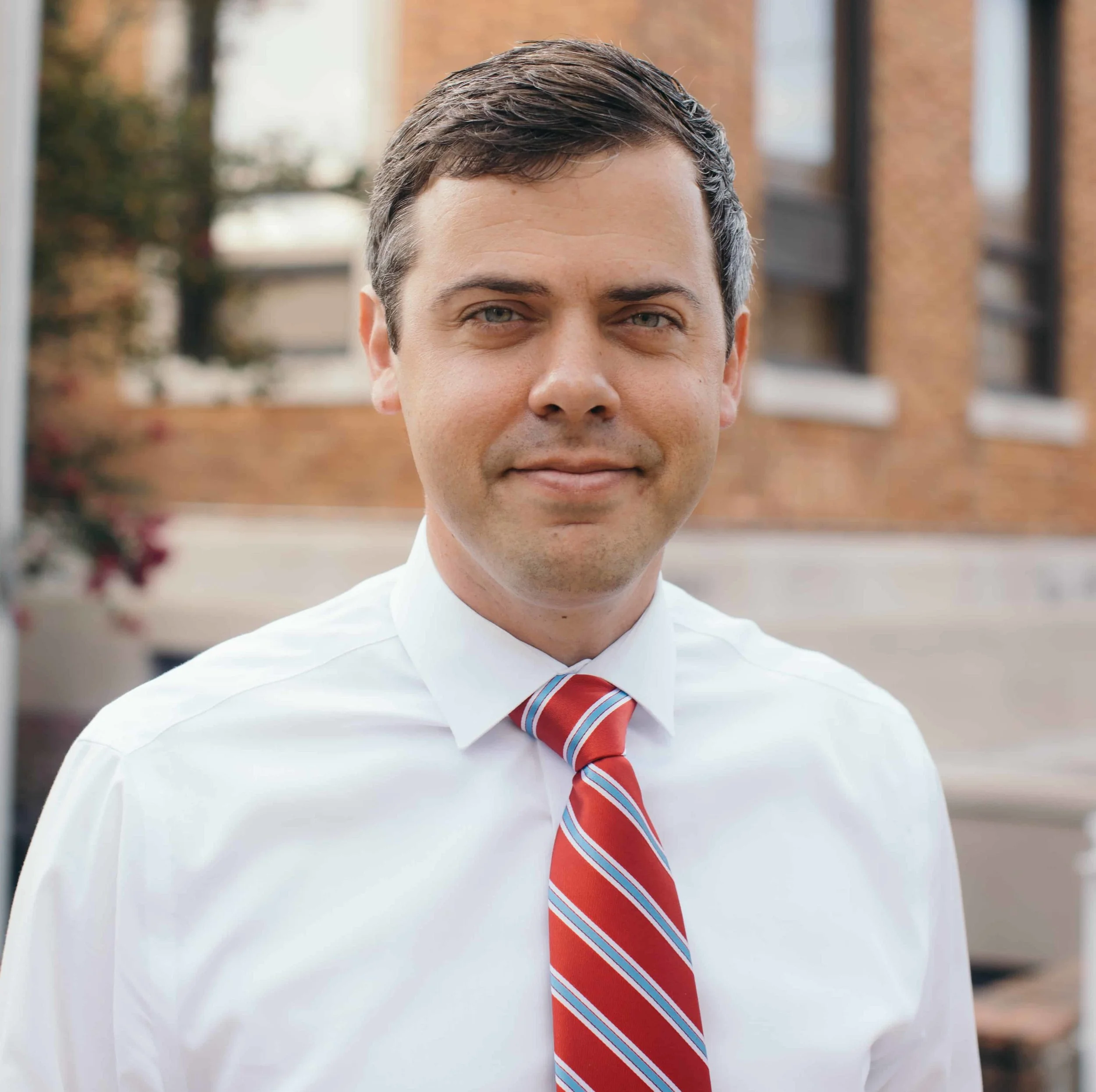
Toby Barker
Mayor, City of Hattiesburg
-
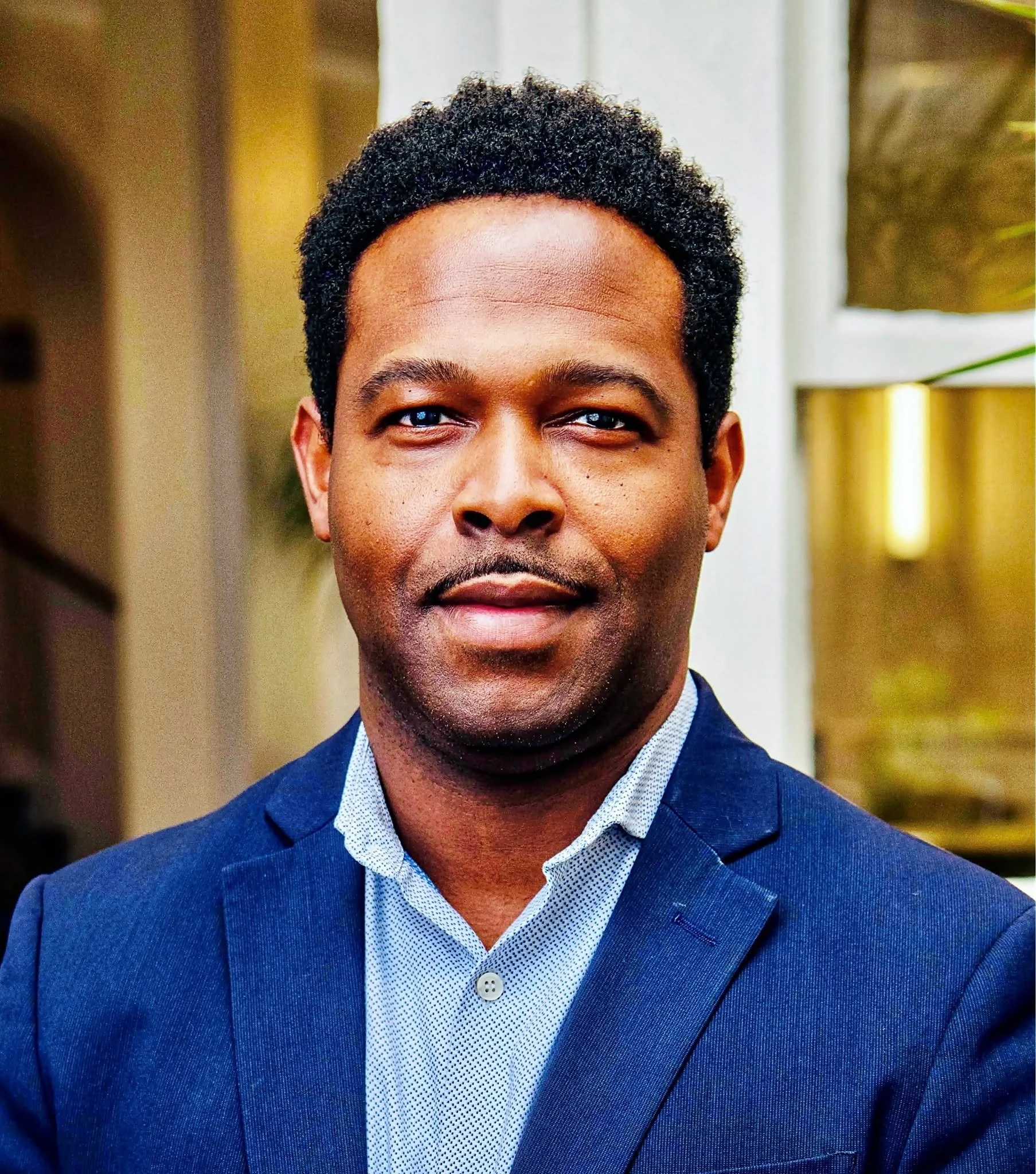
Jason Beverly, Ph.D.
Student Media Center Director, University of Southern Mississippi
-
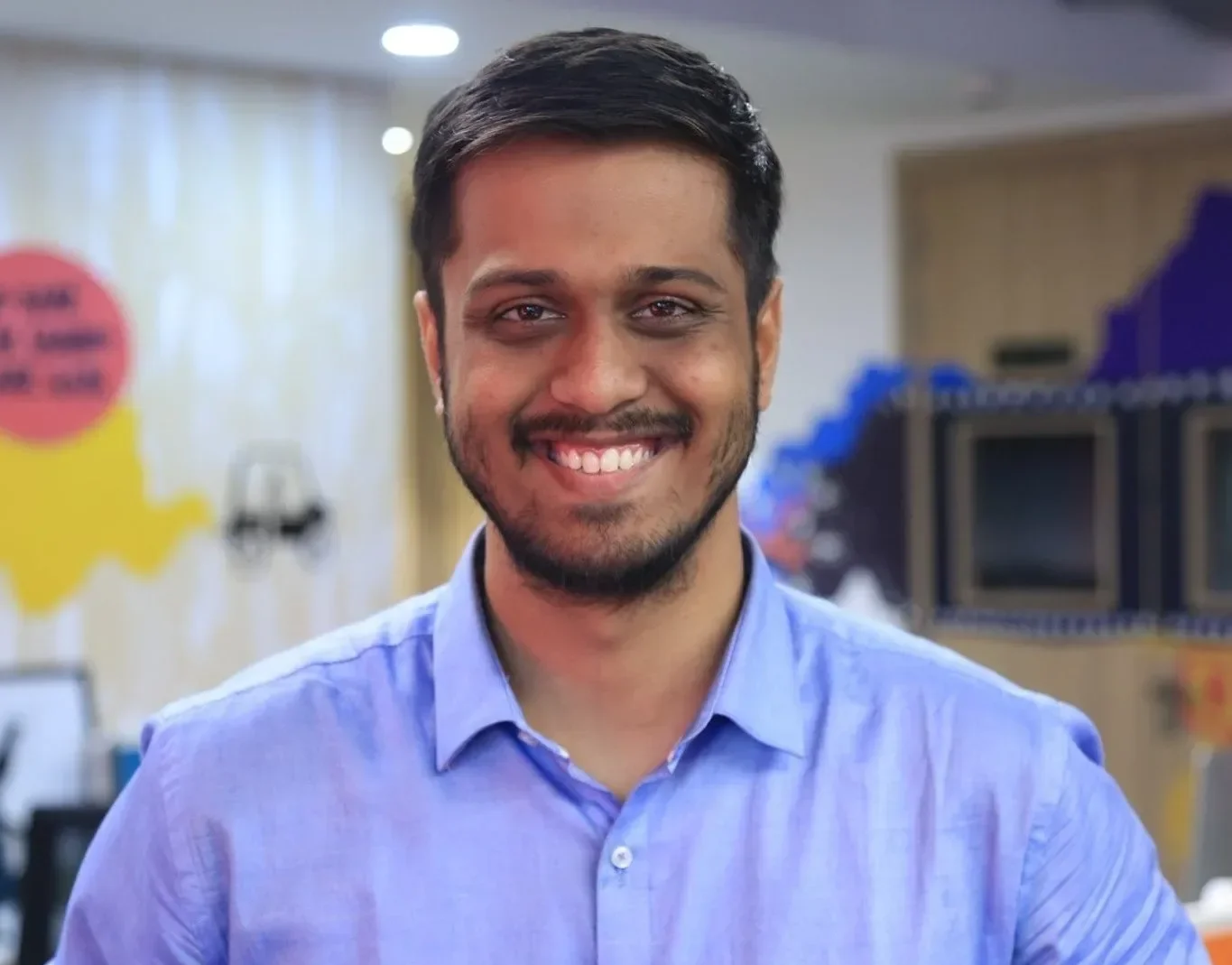
Meghnad Bose
Assistant Professor of Practice, University of Memphis Department of Journalism and Strategic Media, and Staff Writer, Institute for Public Service Reporting
-

Layne Bruce
Executive Director, Mississippi Press Association
-
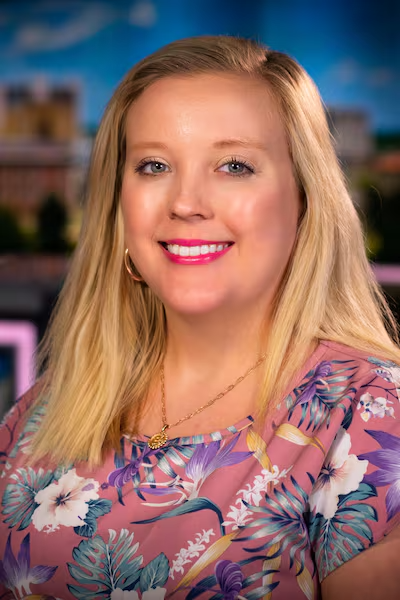
Emily Caballero
Assistant News Director, WLBT News
-

Mike Clayborne
President, CREATE Foundation
-
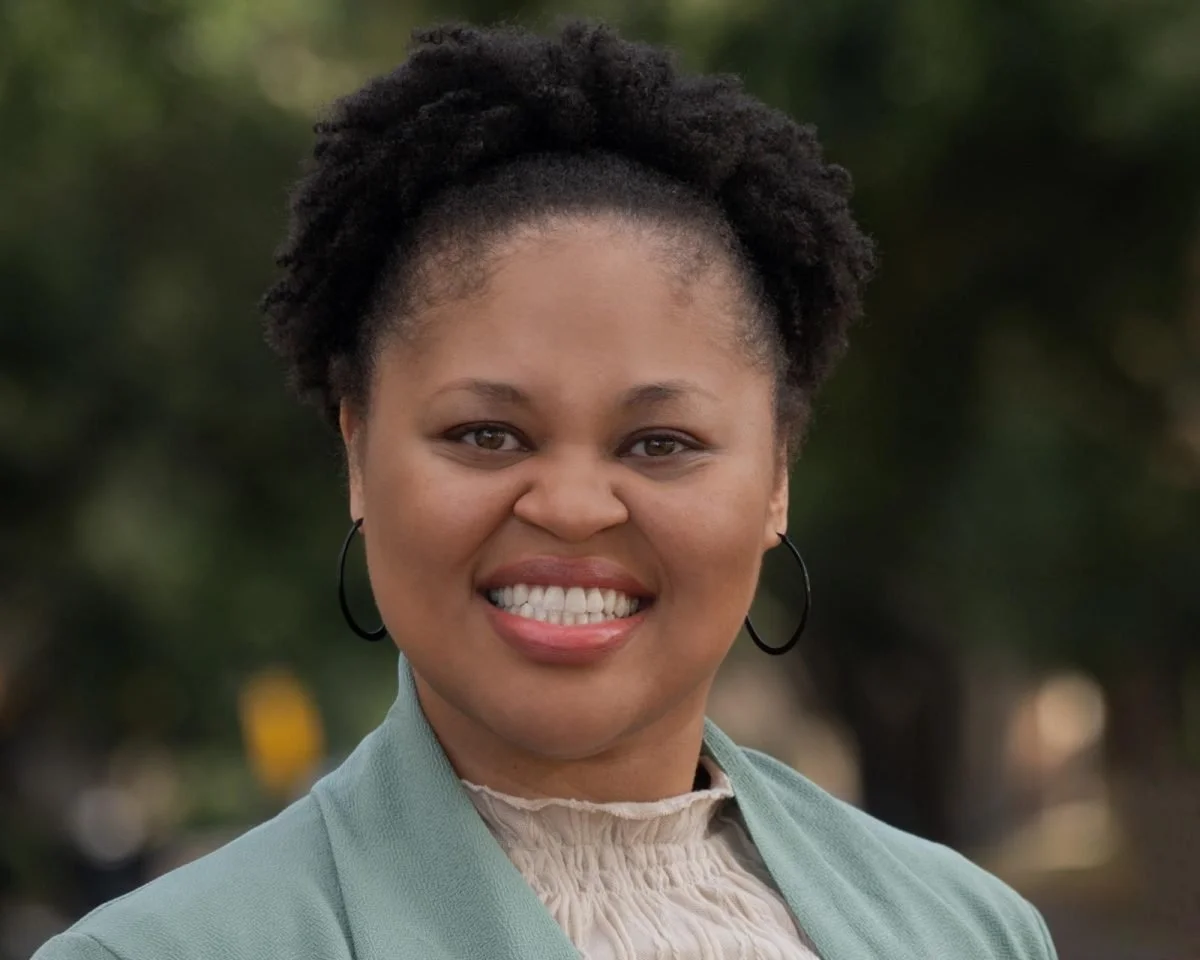
Nichole Cyprian
Director, Roy Howard Center for Community Journalism, University of Southern Mississippi
-
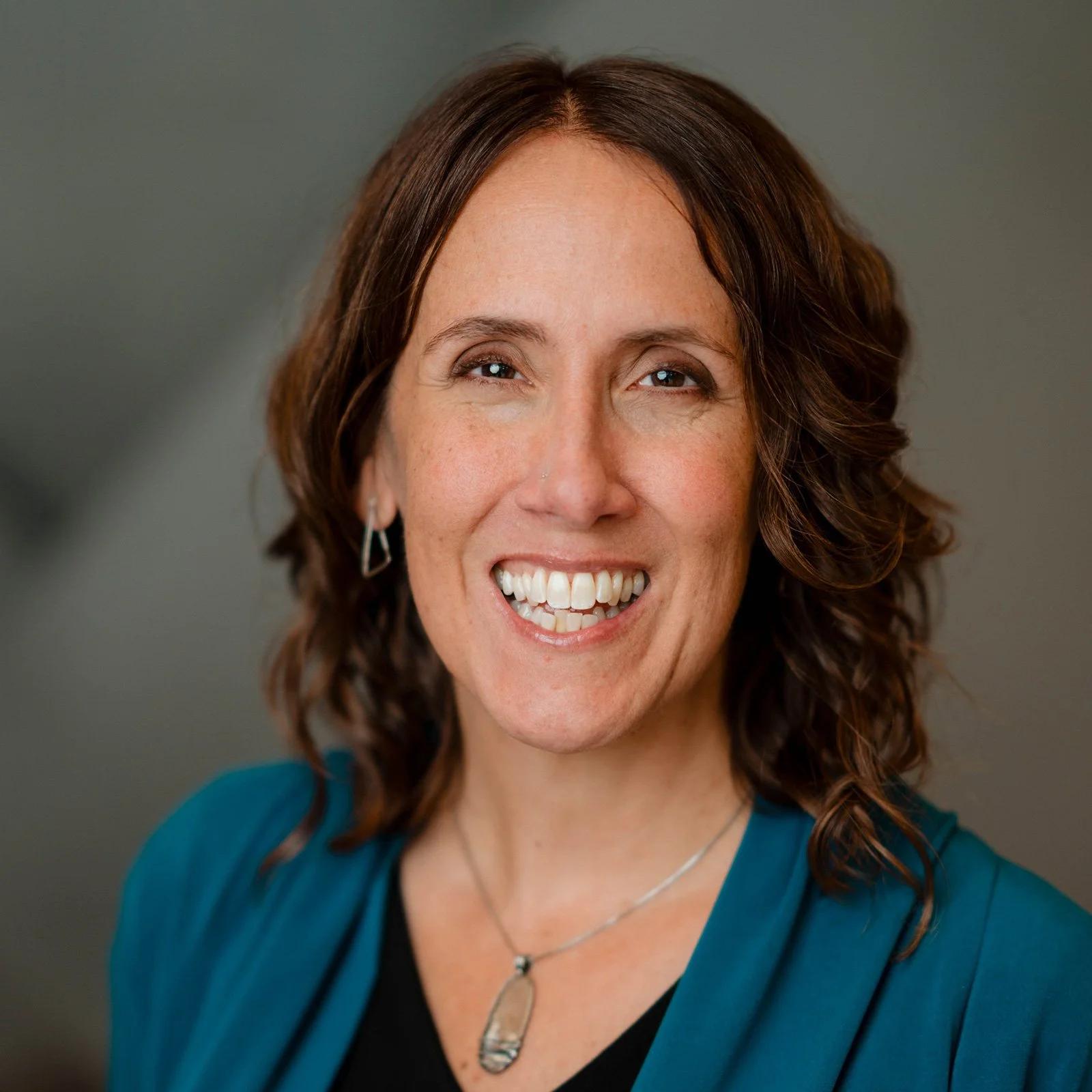
Melissa Milios Davis
Director of Grantmaking, Press Forward
-
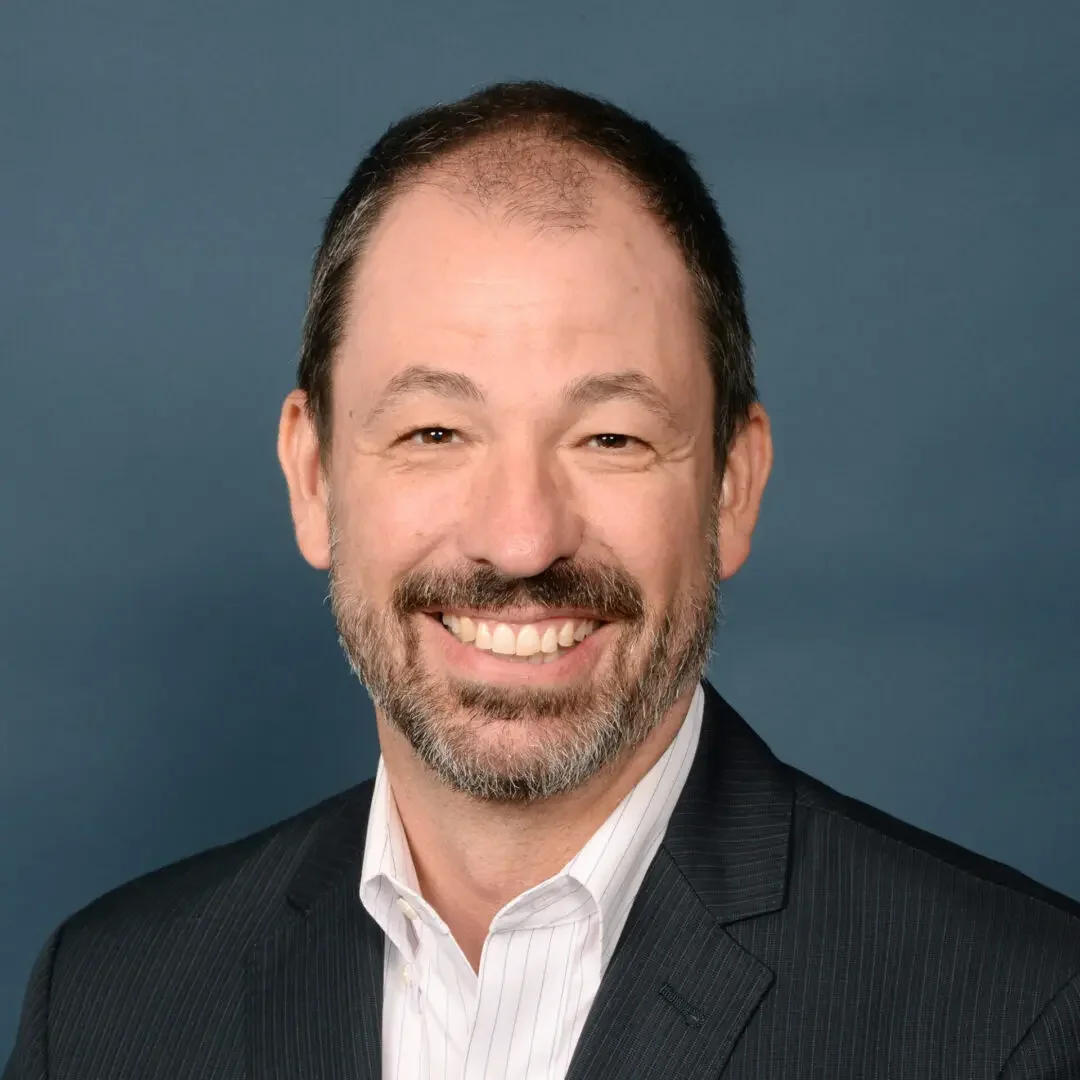
Mike Dixon
Executive Director, Pinebelt Foundation
-
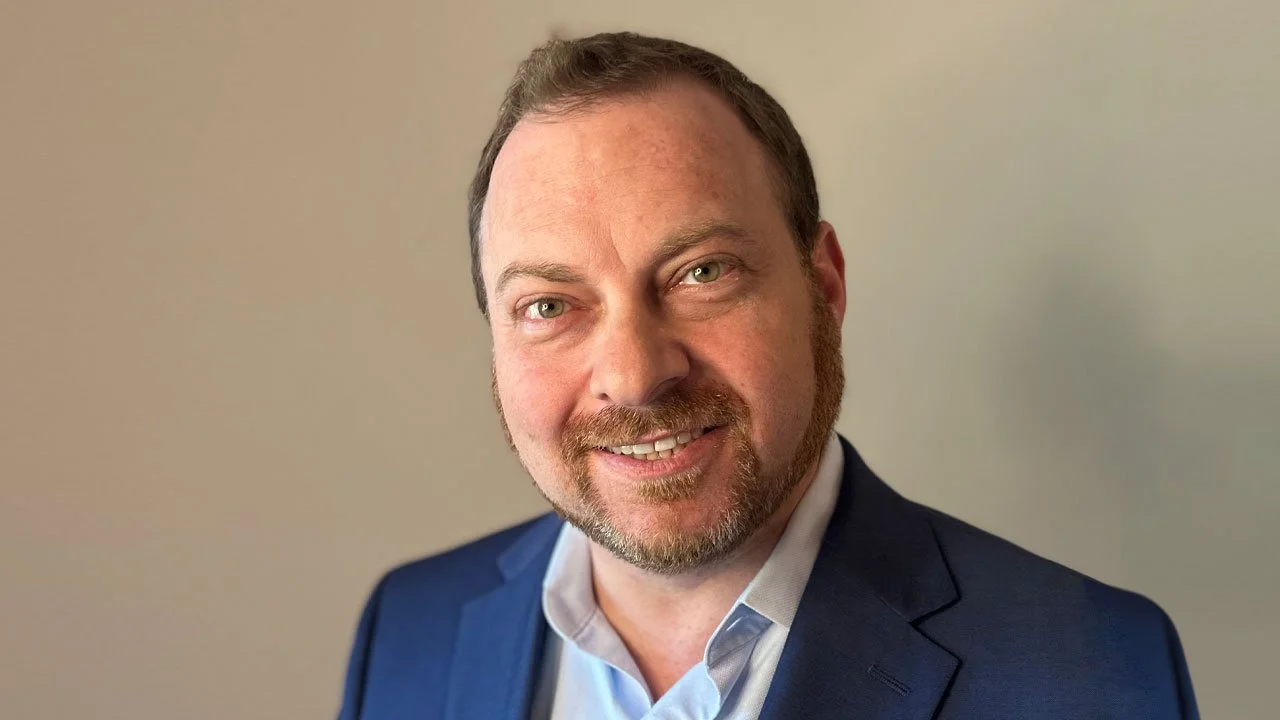
Mark Greenblatt
Professor of Practice, Journalism & Mass Communication, and Executive Editor, Howard Center for Investigative Journalism, Arizona State University Walter Cronkite School of Journalism and Mass Communication
-
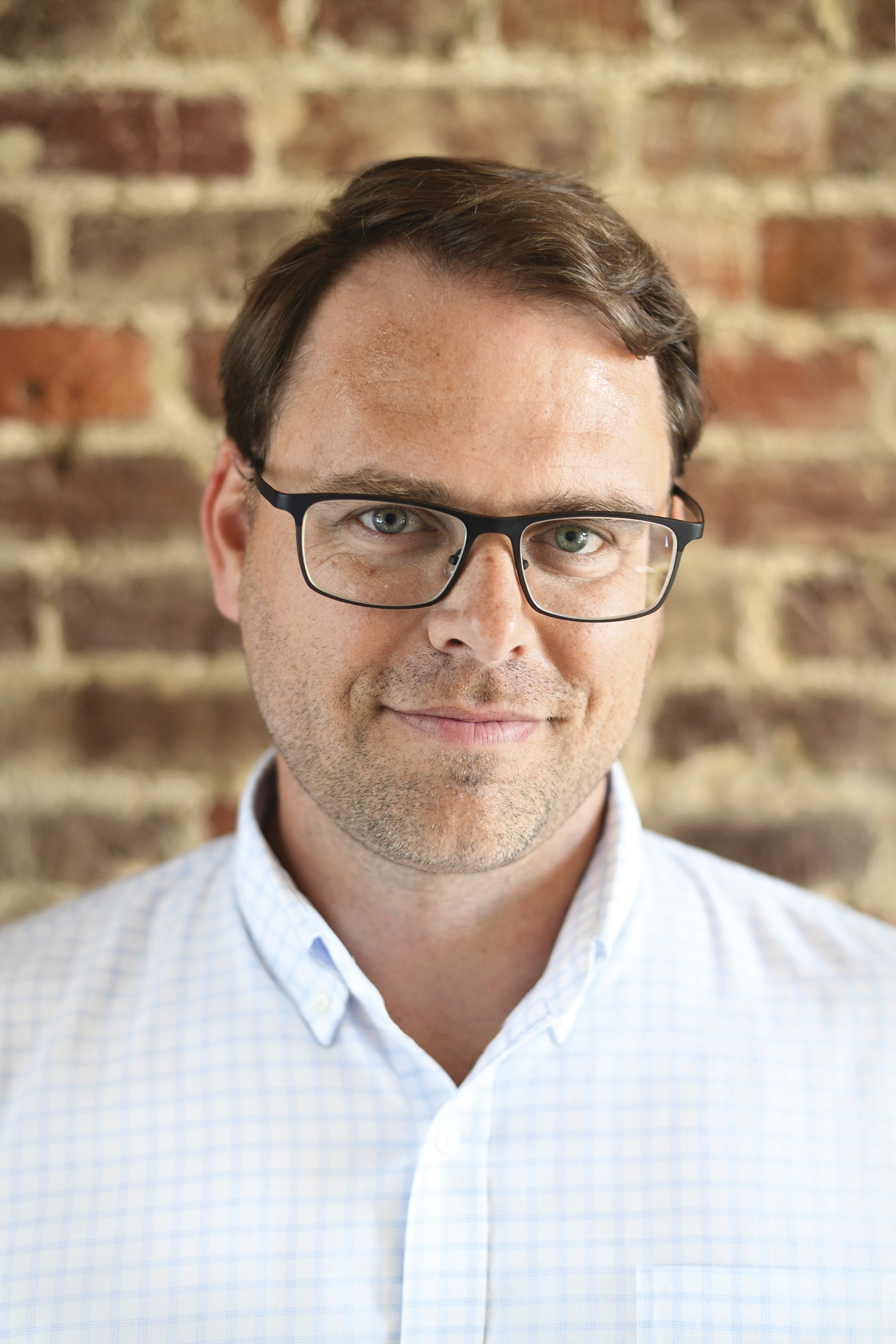
Peter Imes
Publisher, The Commercial Dispatch, Columbus, MS
-
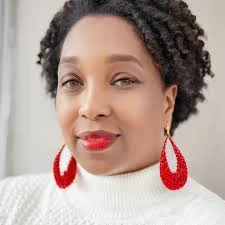
Torsheta Jackson
Systemic and Solutions Editor, Mississippi Free Press; Jackson Youth Media Project
-
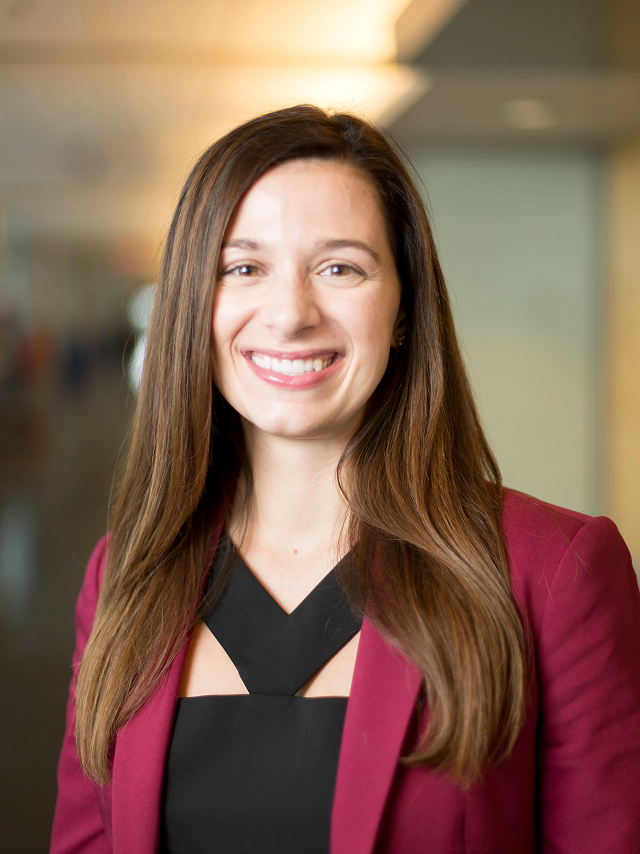
Marisa Kwiatkowski
Director of Journalism, Knight Foundation
-
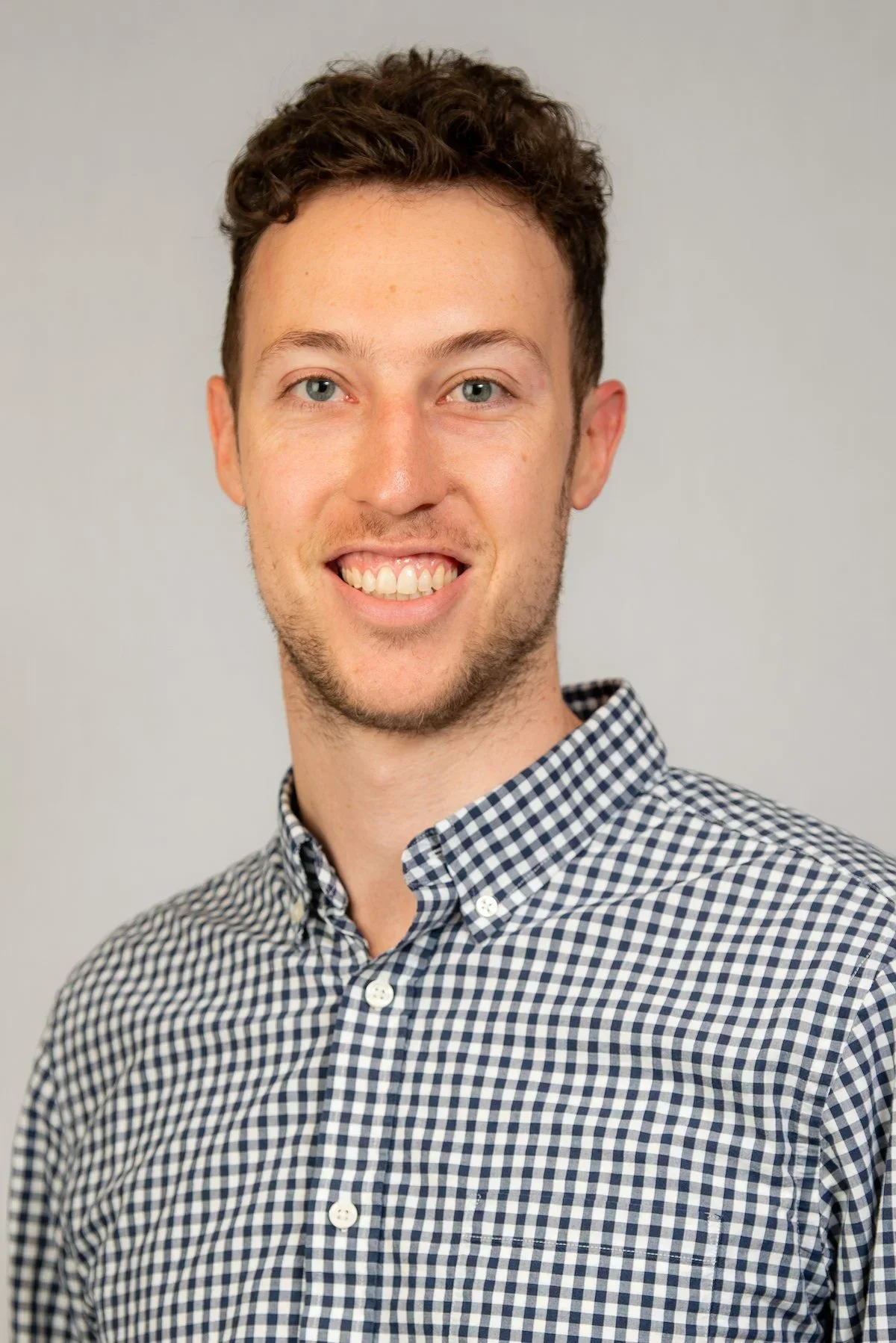
Taylor McGraw
Executive Director & Co-Founder, The Bell
-

R.J. Morgan
Instructional Professor, School of Journalism and New Media, University of Mississippi; and Executive Director, Mississippi Scholastic Press Association
-
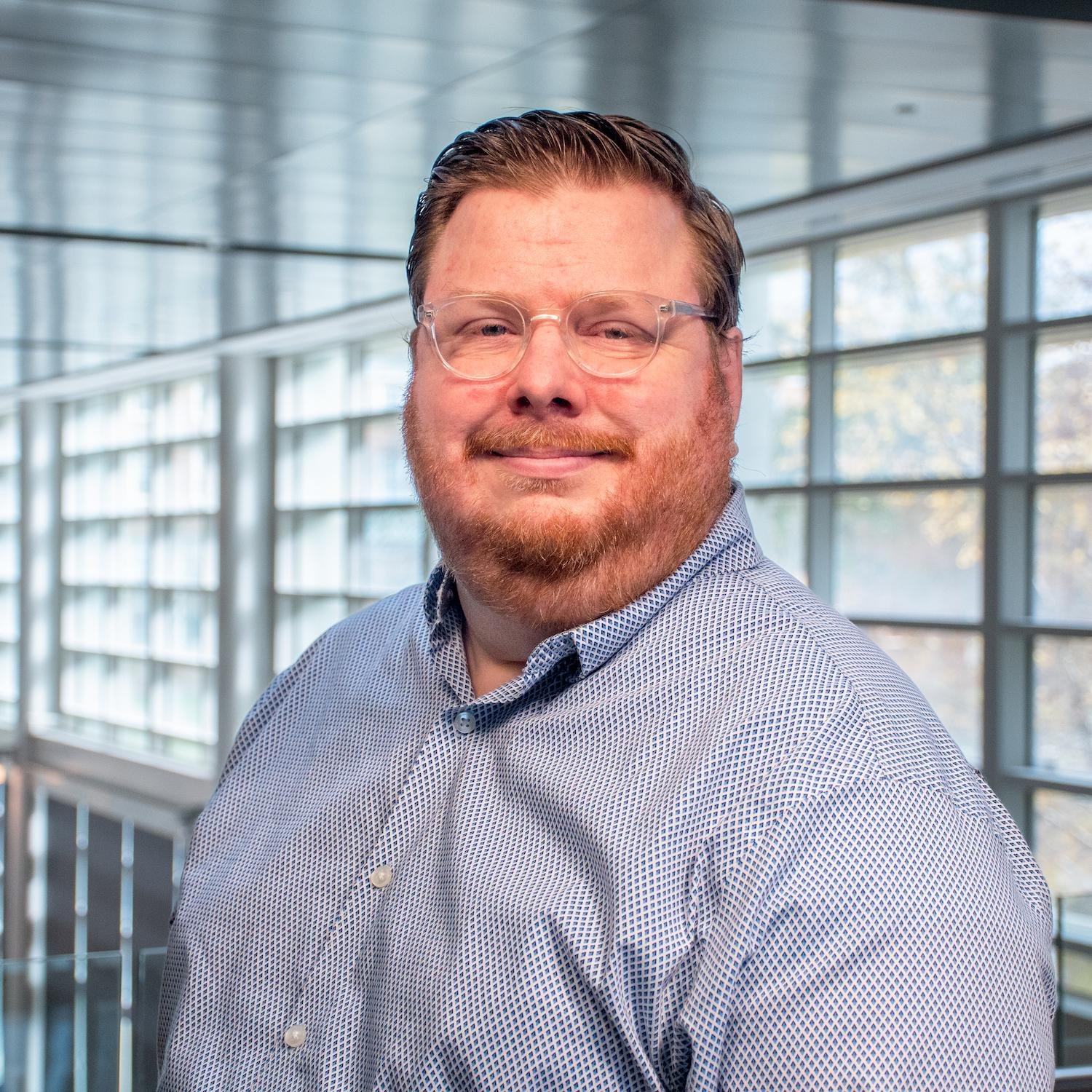
Sean Mussenden, Ph.D.
DataHub Director, Howard Center for Investigative Journalism, Philip Merrill College of Journalism at the University of Maryland
-

Ed Simpson, Ph.D.
Director, School of Media & Communication, University of Southern Mississippi
-
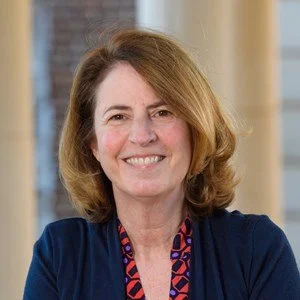
Debora Wenger, Ph.D.
Professor and Samuel Talbert Lecturer, University of Mississippi School of Journalism and New Media
-
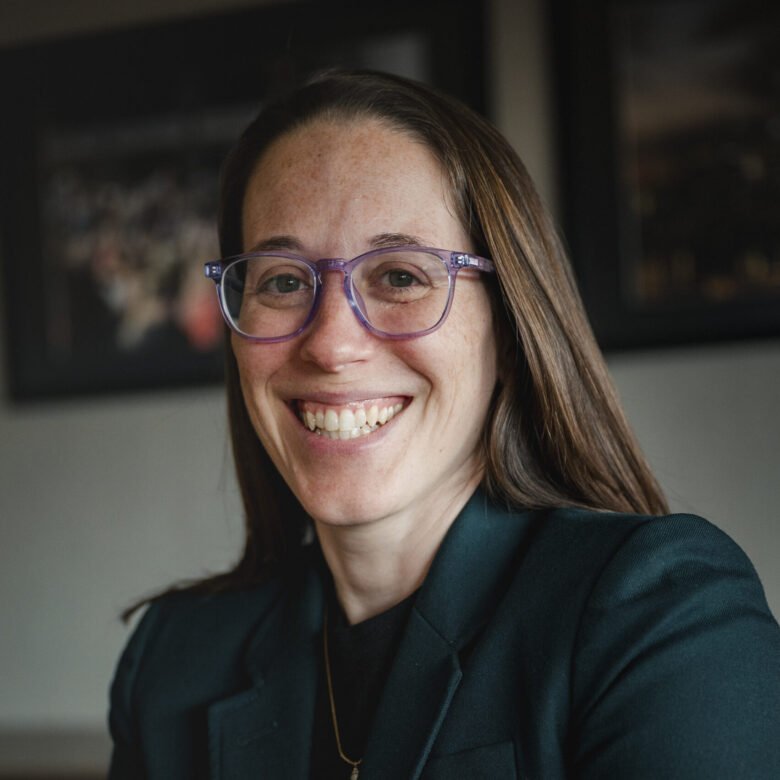
Kristin Traniello
Program Manager, Knight Communities Network, The Lenfest Institute for Journalism